CBD Oil in Thailand: the Legal Landscape and Its Impact on Consumers


Updated November 2026. This guide was first published before the 2025 tightening of Thailand’s cannabis rules and has been refreshed for 2026. Thailand’s cannabis rules have changed several times since 2022, so older summaries should not be relied on. Check current guidance from Thailand’s Ministry of Public Health before you buy, carry, or use any CBD product. This is general information, not legal advice.
In recent years, the global interest in CBD (cannabidiol) oil has surged, with many individuals seeking its potential health and wellness benefits. Thailand, a country known for its rich cultural heritage and lush landscapes, is no exception to this trend. However, navigating the legal terrain surrounding CBD oil in Thailand can be complex. This blog aims to provide a comprehensive overview of the legal status of CBD oil in Thailand as we understand it in November 2026, shedding light on its implications for consumers and businesses alike. For the short version, see our guide Is CBD Legal in Thailand in 2026? It also explains where to buy CBD oil in Thailand and what to check first.
The Evolution of CBD Oil’s Legal Status in Thailand
Thailand’s relationship with cannabis has a deep historical and cultural significance. The plant has been used in traditional Thai medicine for centuries, often in the form of traditional herbal remedies. However, in the early 20th century, cannabis was criminalized in the country, reflecting global trends in drug prohibition.
In recent years, there has been a shift in the perception of cannabis and its compounds, including CBD. This shift can be attributed to growing global research showcasing CBD’s potential therapeutic properties. Recognizing the changing dynamics, Thailand took steps to reconsider its stance on cannabis and CBD. In 2018, Thailand made headlines by becoming the first Southeast Asian nation to legalize medical cannabis. In 2022, cannabis was decriminalised. From 2025, the rules moved back toward a medical framework for high-THC products, while low-THC CBD products have remained the category sold openly for wellness use.
Current Legal Status of CBD Oil in Thailand
As of November 2026, CBD oil is widely sold in Thailand, but with certain restrictions and conditions. The country’s regulatory framework distinguishes between CBD oil products based on their THC content, and that distinction is the key to understanding the rules:
CBD Oil with Minimal THC Content: CBD oil products with THC concentrations below 0.2% are classified as hemp products and are widely sold for general wellness use. No prescription is described as being needed for them.
CBD Oil with Higher THC Content: CBD oil products containing THC levels above 0.2% fall under the medical cannabis framework, which is described as requiring a prescription and licensed medical channels.
Because the rules have changed more than once since 2022, treat any single summary — including this one — as a snapshot. Check current official guidance before you buy.
Implications for Consumers
The evolving legal status of CBD oil in Thailand has several implications for consumers:
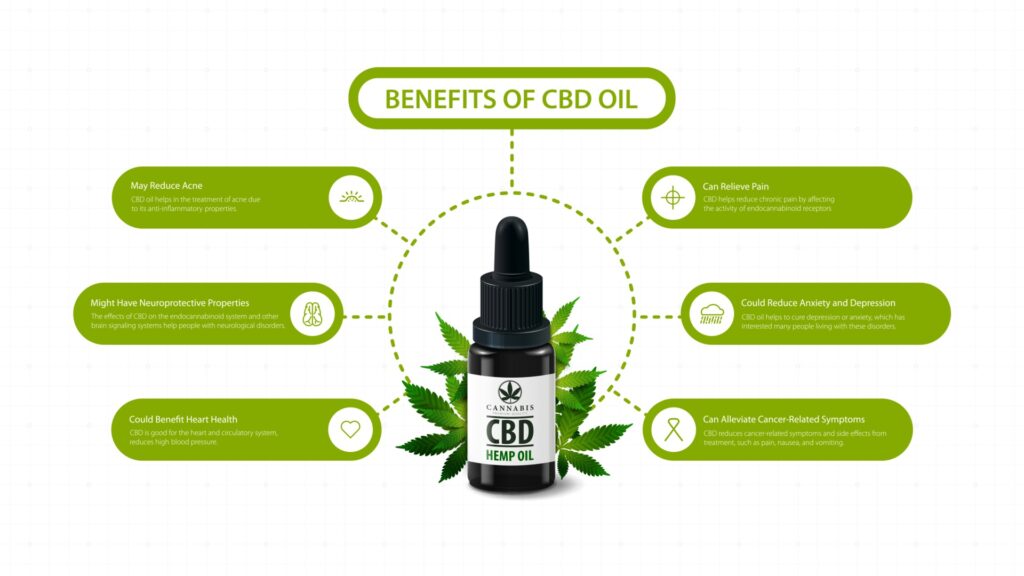
Access to Potential Benefits: Low-THC CBD oil products are available to consumers who want to try CBD for wellness, and some users report that CBD helps them feel calmer or sleep better. These are user reports, not proven medical effects, and if you have a health condition or take other medication, talk to a healthcare professional first.
Health and Safety: Buying from a seller that lists the brand and the product details clearly on the product page is the most practical check available to a consumer. No seller can guarantee the quality of every product on the market, so read the product page and avoid unlabelled products.
Educational Resources: With the wider availability of CBD oil, consumers have the opportunity to access information about CBD, its uses, and its potential effects, helping them make informed decisions.
Variety of Products: The market allows consumers to explore a wide range of CBD oil products, from tinctures and capsules to CBD gummies. At BuyCBDThai, browse the CBD oils and tinctures range, and if you want to compare alternatives, the Delta 8 and HHC ranges.
Implications for Businesses
The changing legal landscape of CBD oil in Thailand also presents opportunities and challenges for businesses.
Market Growth: The availability of low-THC CBD oil opens up a market for businesses, both domestic and international, seeking to tap into the wellness market in Thailand.
Regulatory Compliance: Businesses must navigate regulatory requirements to ensure their products meet the low-THC limits and labelling rules, and those requirements have changed more than once.
Research and Development: The legal framework encourages research into CBD’s potential applications, fostering innovation in the field of cannabis-based wellness products.
Consumer Trust: Businesses operating within the legal framework can build and maintain consumer trust by being transparent about the contents of their products.
Conclusion
The legal landscape of CBD oil in Thailand has undergone a remarkable transformation in recent years, and it is still changing. Low-THC CBD oil is the category that remains openly sold for wellness use in November 2026, while higher-THC products sit under stricter medical rules. As Thailand continues to explore the potential of CBD oil, it is essential for both consumers and businesses to stay informed about the latest regulations and developments. Browse the current range at BuyCBDThai’s CBD oil and tincture category, and check current official guidance before you buy.